
Ouvrir un coffret sans savoir ce qu’il renferme apporte un frisson que beaucoup reconnaissent https://twin-casino-fr.site/. Chez Twin Casino, les Mystery Boxes reprennent ce principe et l’adaptent au casino en ligne : chaque coffret contient une récompense aléatoire, et chaque ouverture métamorphose une session ordinaire en petit événement. Vous ne vous limitez pas de miser, vous débloquez des surprises dont la valeur peut surprendre. Derrière une idée simple se cache une mécanique précise qui met en avant la fidélité et l’engagement. Voyons comment ces coffrets opèrent et ce qu’ils modifient dans la façon de jouer.
Sécurité, licence et jeu contrôlé
Participer en confiance est essentiel. Twin Casino opère sous une licence de jeu attribuée par une autorité compétente, ce qui exige des normes sévères en matière de sécurité, d’équité et de protection des joueurs. Les informations personnelles et bancaires sont garanties par un chiffrement SSL de niveau bancaire. Les jeux sont périodiquement audités par des laboratoires autonomes pour garantir des résultats imprévisibles et non manipulables, y compris l’algorithme des Mystery Boxes.
Le jeu responsable est inclus à l’expérience. Vous pouvez définir des limites de dépôt, de mise ou de temps de session depuis votre compte. Des outils d’auto-exclusion et des liens vers des organismes d’aide sont proposés. Cette approche met le bien-être du joueur au centre, sans discours moralisateur. Les Mystery Boxes restent un divertissement : elles ne vous poussent jamais à miser plus que ce que vous avez planifié.
Pour toute question relative à la sécurité ou à votre compte, le service client est joignable par chat en direct et par email. Les temps de réponse sont habituellement courts, et les conseillers maîtrisent les sujets techniques comme les conditions des promotions. Nous avons vérifié le support pour des interrogations sur les Mystery Boxes : les réponses étaient exactes et courtoises. Cette réactivité est un signe de sérieux sur la durée.
Quel est le contenu de les Mystery Boxes ?
Le détail diffère selon les coffrets, mais voici un panorama des récompenses les plus fréquentes. L’élément clé provient de l’imprévisibilité : vous pouvez déballer dix coffrets et recevoir des lots différents à chaque fois. Les coffrets plus rares sont susceptibles de offrir les récompenses les plus élevées.
- Parties gratuites : de 5 à 100 tours sur des machines à sous populaires comme Book of Dead, Starburst ou des titres exclusifs.
- Bonus monétaire : un montant fixe versé sur votre solde bonus, généralement soumis à des conditions de mise.
- Multiplicateurs de versement : un pourcentage attribué à votre prochain dépôt, par exemple 50 % jusqu’à 100 €.
- Cashback : un remboursement d’une partie de vos pertes sur une période donnée, souvent sans exigence de mise.
- Entrées pour tournoi : une entrée gratuite pour une compétition avec un prize pool garanti.
- Points VIP supplémentaires : un accélérateur pour grimper dans le programme VIP.
Certaines Mystery Boxes renferment également des récompenses non monétaires, comme des avatars exclusifs ou des accès anticipés à de nouveaux jeux. Ces petits plus renforcent le sentiment d’appartenance à la communauté Twin Casino. Envisagez chaque ouverture comme un bonus, pas comme un dû. Cette philosophie vous aide à profiter pleinement de l’expérience sans pression.
Pour quelle raison les Mystery Boxes transforment l’expérience de jeu
Les bonus habituels assurent une fonction fonctionnelle : ils boostent votre bankroll. Les Mystery Boxes ajoutent une dimension affective. L’incertitude contrôlée produit une excitation que les offres fixes ne fournissent pas. Leur popularité vient de cette capacité à surprendre. Chaque ouverture est un petit événement, un moment de suspens qui rompt la monotonie des sessions. La jeu métamorphose l’acte de jouer en une recherche aux trésors permanente.
Second avantage significatif : la souplesse. Un bonus traditionnel est généralement rigide dans ses modalités, alors que les récompenses provenant des Mystery Boxes sont capables de être très multiples. Vous découvrez ainsi multiples facettes du casino. Un jour vous obtenez des tours libres sur une machine à sous volatile, le lendemain un cashback qui garantit votre session de live blackjack. Cette variété préserve l’intérêt et vous encourage à vous éloigner de votre zone de sécurité, toujours de manière positive.
Le système est transparent et équitable. Les probabilités sont divulguées, les termes affichées nettement, et vous pouvez suivre l’historique de vos paquets dans votre compte. Rien n’est laissé au hasard dans la conception, seul le contenu l’est. Cette honnêteté renforce la foi et différencie Twin Casino des plateformes qui utilisent des procédés peu clairs. Nous y percevons un véritable engagement envers le joueur.
Comment débloquer vos premières Mystery Boxes
Démarrer est moins compliqué que vous ne le croyez. Dès votre inscription sur Twin Casino, vous pénétrez dans l’univers des Mystery Boxes. Voici les étapes précises pour commencer à en recevoir. Nous avons testé le processus : il est fluide et ne requiert aucune manipulation complexe. Le plus important est de jouer souvent et de suivre sur votre tableau de bord.
- Créez votre compte : l’inscription dure quelques minutes. Saisissez vos informations exactes pour faciliter les futures vérifications.
- Faites un premier dépôt : selon les offres en cours, ce dépôt peut déclencher une Mystery Box de bienvenue en plus du bonus standard.
- Jouez à vos jeux de prédilection : les mises cumulées sur les machines à sous, la roulette ou le live casino aident à débloquer des coffrets journaliers ou liés à l’activité.
- Consultez la section promotions : déclenchez manuellement les offres qui incluent des Mystery Boxes pour être assuré de ne pas rater.
- Surveillez votre boîte de réception : Twin Casino envoie des notifications lorsqu’un coffret vous attend. Un simple clic permet pour l’ouvrir.
Une fois la mécanique comprise, les Mystery Boxes s’intègrent naturellement à votre routine de jeu. Changez les types de jeux et les horaires de connexion : certaines périodes moins fréquentées peuvent offrir des surprises aux joueurs connectés. L’algorithme est développé pour préserver l’intérêt, sans exiger des mises excessives. Le plaisir de la découverte reste au coeur du dispositif.
Un catalogue de jeux complet pour tous les préférences
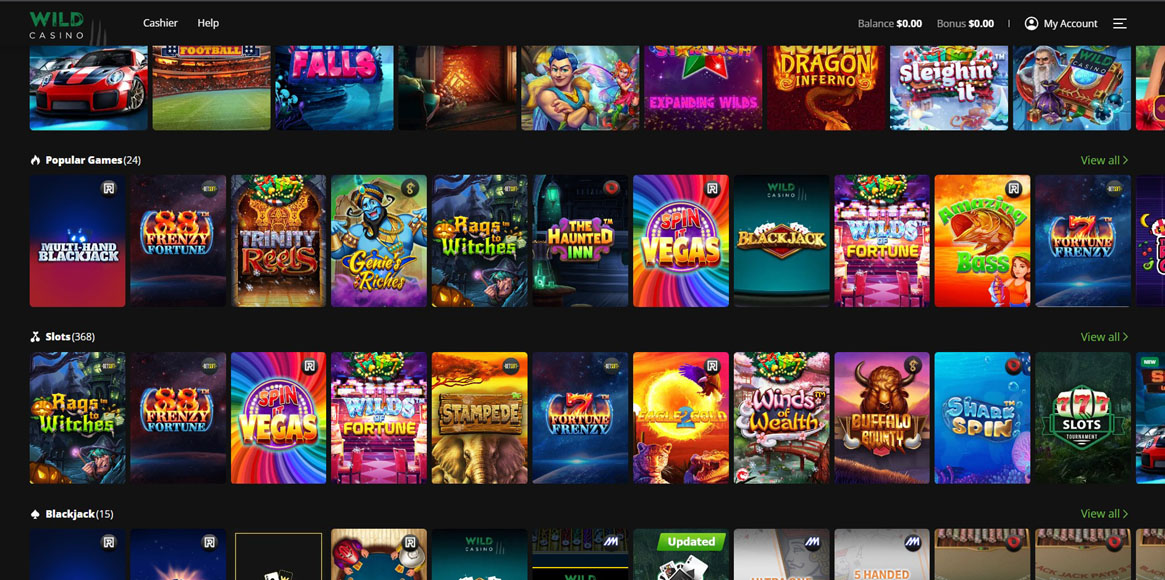
Les Mystery Boxes prennent tout leur sens quand elles s’accompagnent d’un catalogue de jeux riche et varié. Chez Twin Casino, plusieurs milliers de titres sont disponibles, issus des meilleurs éditeurs. Machines à sous, jeux de table, casino en direct, vidéo poker : chaque catégorie est représentée avec des productions modernes et des classiques intemporels. Cette diversité garantit que vos tours gratuits ou vos bonus pourront toujours être utilisés sur un jeu qui vous plaît.
Les machines à sous constituent le coeur de l’offre, avec des centaines de titres allant des slots à jackpot progressif aux dernières sorties en Megaways. Les filtres par fournisseur et par fonctionnalité facilitent la navigation. Lorsque vous gagnez des tours gratuits via une Mystery Box, le jeu concerné est automatiquement mis en avant, ce qui empêche de le chercher manuellement. Un détail pratique qui illustre le soin accordé à l’expérience utilisateur.
Le casino en direct vaut une mention spéciale. Twin Casino offre des tables dirigées par de vrais croupiers, joignables 24 heures sur 24. Roulette, blackjack, baccarat et jeux de type game show sont disponibles avec des limites de mise adaptées à tous les budgets. Certaines Mystery Boxes spéciales offrent des tickets pour des tables live privées ou des bonus exploitables spécifiquement dans cette section. C’est une excellente façon de changer les plaisirs après une session sur les slots.
Ce qui distingue Twin Casino exceptionnel au-delà des Mystery Boxes
Les Mystery Boxes constituent un argument solide, mais elles s’intègrent dans une philosophie plus large. Twin Casino compte sur une expérience utilisateur lisse, un design épuré et une navigation fluide. Dès la page d’accueil, vous arrivez aux jeux prisés, aux promotions actuelles et à votre tableau de bord en un clic. Cette simplicité n’est pas fortuite : elle autorise de se concentrer sur l’essentiel, le divertissement et la découverte de nouvelles opportunités de gains.
La transparence est un autre fondement. Les conditions des bonus, les probabilités des Mystery Boxes, les délais de retrait : tout est consultable sans jargon superflu. Cette honnêteté est trop insolite dans l’industrie pour ne pas être mentionnée. Elle établit une relation de confiance solide, plus précieuse qu’un bonus temporaire. Quand vous comprenez exactement à quoi vous attendre, vous jouez l’esprit tranquille, et c’est dans cet état d’esprit que le plaisir est le plus vif.
La communauté Twin Casino est régulièrement invitée via des tournois, des classements et des événements collectifs. Les Mystery Boxes y assument un rôle unificateur : chacun peut exposer ses ouvertures, confronter ses lots, et ressentir une expérience collective. Cette dimension communautaire, combinée à un programme de fidélité fiable, pousse de revenir. Ce n’est pas seulement un casino en ligne, c’est un espace où chaque connexion
Jouer partout : l’expérience mobile Twin Casino
Les Mystery Boxes ne vous attendent pas. Vous êtes en transit, en pause déjeuner ou chez vous : vous pouvez ouvrir vos coffrets depuis n’importe quel appareil. Twin Casino est totalement adapté pour mobile, sans téléchargement obligatoire. Le site se conforme à la taille de votre écran, que vous employiez un smartphone Android, un iPhone ou une tablette. La fluidité est assurée, même sur les jeux en direct souvent gourmands en ressources.
L’interface mobile reprend toutes les fonctionnalités de la version bureau : dépôts, retraits, accès aux promotions et, bien sûr, ouverture des Mystery Boxes. Les animations des coffrets sont correctement affichées, ce qui maintient l’effet de surprise. La navigation tactile est intuitive, avec des boutons assez grands pour éviter les erreurs de clic. Vous pouvez gérer votre compte et profiter des récompenses où que vous soyez, sans compromis.
Pour ceux qui préfèrent une application dédiée, Twin Casino peut en mettre à disposition une selon votre zone géographique. Informez-vous sur le site officiel pour connaître la disponibilité. L’application offre souvent des notifications push qui vous alertent instantanément lorsqu’une Mystery Box est disponible. C’est un plus pour ne jamais manquer une ouverture, surtout lors d’événements à durée limitée. La mobilité devient un atout stratégique.
Bonus de bienvenue et promotions permanentes
En plus des Mystery Boxes, Twin Casino propose une promotion structurée. Le bonus de bienvenue se compose en général d’un pourcentage sur votre initial dépôt, assorti de tours gratuits. Reportez-vous à les conditions exactes sur la page officielle, car les montants et les pourcentages peuvent évoluer. Ce package de départ intègre fréquemment une Mystery Box de bienvenue, ce qui introduit une couche de surprise dès l’inscription.
Les promotions récurrentes succèdent une fois le bonus de bienvenue consommé. Recharges hebdomadaires, cashback, tournois de machines à sous avec prize pool garanti, et offres saisonnières ponctuent le calendrier. Chaque promotion peut être associée à des Mystery Boxes spécifiques, établissant un système où les récompenses se cumulent. Examinez attentivement les termes de chaque offre : les conditions de mise, les jeux éligibles et les délais sont toujours indiqués sans ambiguïté.
Un point que nous apprécions particulièrement : la clarté du parcours promotionnel. Votre tableau de bord affiche les bonus actifs, leur progression, et les coffrets en attente d’ouverture. Cette centralisation prévient de perdre le fil et permet de gérer votre bankroll bonus avec efficacité. Si une Mystery Box est sur le point d’expirer, une alerte vous informe. Rien n’est plus frustrant qu’un bonus perdu par oubli, et Twin Casino a prévu ce détail.
Qu’est-ce qu’une Mystery Box chez Twin Casino ?
Une Mystery Box est une boîte virtuelle proposé par la plateforme, avec un lot aléatoire à l’intérieur. À la différence de un bonus classique dont le montant est connu à l’avance, vous recevez votre récompense après ouverture. Ce fonctionnement reprend des codes de la gamification pour offrir le parcours plus dynamique. Sur Twin Casino, ces coffrets incluent des tours gratuits, des crédits bonus, des multiplicateurs ou des cadeaux exclusifs. L’objectif est de créer un moment de surprise plaisant, sans jamais verser dans la frustration.
Le tirage repose sur une distribution régulière. Chaque joueur peut obtenir des récompenses alléchantes, mais la nature aléatoire fait que personne ne connaît son lot à l’avance. Cette part de suspense préserve l’intérêt bien plus longtemps qu’un bonus fixe, car elle joue sur la curiosité. Les Mystery Boxes sont incorporées à l’interface, donc utilisables sans démarche compliquée.
En pratique, vous obtenez ces coffrets en remplissant certaines conditions : dépôts, mises cumulées, participation à des tournois, ou connexions régulières. Chaque coffret possède un niveau de rareté qui détermine la qualité de son contenu. Plus il est rare, plus les lots potentiels sont conséquents. Cette hiérarchie encourage à parcourir toutes les facettes du casino pour optimiser ses chances de belles surprises. C’est un cercle vertueux qui profite au joueur comme à la plateforme.
Comment fonctionnent les Mystery Boxes ?
Le fonctionnement reste simple pour que vous puissiez vous consacrer sur le jeu. Dès que vous atteignez les critères requis, une notification apparaît dans votre compte. Vous vous dirigez dans la section dédiée et ouvrez le coffret en un clic. L’animation d’ouverture est soignée : un effet visuel révèle le contenu progressivement, accentuant la montée d’adrénaline. Le lot décerné est immédiatement crédité sur votre solde ou votre compteur de tours gratuits, sans zone d’ombre.
Sous cette simplicité, un algorithme certifié valide l’équité du tirage. Chaque Mystery Box comporte une table de probabilités prédéfinie, contrôlable par des organismes indépendants. Vos chances d’obtenir un lot spécifique ne relèvent donc pas de votre historique de gains ou de pertes. Voyez les conditions associées à chaque type de coffret dans la rubrique promotions : vous y verrez les lots possibles et leur probabilité de sortie. Cette transparence aide à jouer avec confiance.
Une fois ouverte, la récompense peut être sujette à des exigences de mise, selon sa nature. Des crédits bonus issus d’une Mystery Box doivent par exemple être joués un certain nombre de fois avant d’être retirés. Les tours gratuits sont souvent rattachés à une machine à sous précise. Lisez le détail indiqué au moment de l’ouverture : Twin Casino précise clairement les conditions pour éviter toute mauvaise surprise. Cette clarté fait partie des points que nous aimons dans l’approche de la marque.
Les différents types de Mystery Boxes
Toutes les boîtes ne se valent pas, et c’est tant mieux. La variété proposée par Twin Casino permet à chaque profil de joueur d’y trouver son compte. De l’amateur au membre le plus fidèle, chacun peut débloquer des coffrets adaptés à son rythme. Présentons les principales catégories présentes sur la plateforme. Des séries limitées apparaissent aussi lors d’événements saisonniers ou de tournois, pour enrichir l’expérience.
Mystery Boxes quotidiennes
Les coffrets quotidiens récompensent votre assiduité. En vous connectant et en effectuant une action simple, comme miser un certain montant sur vos jeux favoris, vous débloquez une ouverture chaque jour. Ces paquets contiennent généralement de petites récompenses : quelques tours gratuits, un pourcentage de bonus sur le prochain dépôt, ou un multiplicateur modeste. Leur avantage vient de la régularité. Cumulées sur une semaine ou un mois, ces attentions quotidiennes donnent un vrai coup de pouce à votre bankroll.
Ces boîtes mystères journalières servent aussi à tester de nouveaux jeux sans risque. Une série de 10 tours gratuits sur une machine à sous que vous n’auriez pas essayée peut vous faire découvrir un titre qui deviendra un favori. Le tableau de bord de Twin Casino met en avant les jeux concernés, ce qui facilite la prise en main. Ne les ignorez pas : activez les notifications pour ne jamais manquer une ouverture quotidienne.
Mystery Boxes de dépôt
Au moment d’un dépôt, surtout s’il atteint un montant minimum défini, vous pouvez obtenir une Mystery Box en plus du bonus de bienvenue classique. Ces boîtes liées aux transactions sont habituellement plus conséquents que les quotidiens. Ils sont susceptibles de contenir des bonus en espèces, des lots de tours gratuits plus conséquents, ou même des tickets pour des tournois réservés. C’est une façon pour Twin Casino de mettre en valeur chaque dépôt au-delà du simple transfert d’argent.
Vérifiez dans la section promotions si un dépôt spécifique provoque une Mystery Box offerte. La plateforme propose parfois des actions où le premier dépôt du week-end, par exemple, accorde toujours un coffret mystère. Le valeur du dépôt impacte rarement la valeur du coffret, ce qui implique qu’un dépôt raisonnable peut déverrouiller une récompense de grande valeur. Cette justice rend le programme séduisant pour tous les budgets.
Coffrets VIP et programme de fidélité
Le système de fidélisation de Twin Casino réserve des coffrets aux joueurs les plus actifs. En en gagnant des points de récompense, vous progressez dans les échelons et déverrouillez des Mystery Boxes de plus en plus précieuses. Ces coffrets VIP peuvent renfermer des primes importantes : bonus sans condition de mise, remise immédiate, ou encore des cadeaux matériels dans quelques cas. Plus votre niveau est haut, plus la fréquence et la qualité des coffrets s’accroissent.
La progression demeure visible dans votre espace personnel. Vous savez exactement combien de points il vous manque pour obtenir le prochain palier et la Mystery Box associée. Cela crée une motivation supplémentaire pour explorer différentes catégories de jeux, car les points sont souvent attribués en fonction des mises, quel que soit le type de jeu. Le programme valorise la loyauté de manière tangible, sans promesses vagues.
Mystery Boxes événementielles
Twin Casino met en place régulièrement des événements à durée limitée : tournois de machines à sous, compétitions de blackjack, ou célébrations saisonnières. Durant ces périodes, des Mystery Boxes spéciales sont disponibles. Elles sont généralement liées à un objectif précis, comme figurer dans le top 100 d’un classement, ou jouer un certain montant sur une sélection de jeux. Les récompenses suivent la thématique de l’événement : lots boostés, accès à des finales, ou goodies numériques.
Ces coffrets événementiels se démarquent de la routine et se révèlent souvent les plus excitants. Surveillez la page des promotions et autorisez les communications par email pour ne rien manquer. Participer à ces événements peut vous permettre de remporter une Mystery Box dont la valeur excède largement celle des coffrets standards. L’aspect temporaire introduit une pression positive qui dynamise vos sessions de jeu.
Dépôts et retraits : méthodes et délais
Pour bénéficier des Mystery Boxes et des jeux, vous devez gérer vos fonds facilement. Twin Casino prend en charge un grand éventail de méthodes de paiement sécurisées. Cartes bancaires Visa et Mastercard, portefeuilles électroniques comme Skrill et Neteller, virements bancaires, et parfois des solutions locales ou des cryptomonnaies selon votre région. Les dépôts sont en général immédiats, ce qui permet de débloquer un coffret lié à une transaction sans attendre.
Les délais de retrait diffèrent selon la méthode optée. Les portefeuilles électroniques sont les plus prompts, avec des traitements souvent sous 24 heures après validation du compte. Les cartes bancaires et les virements peuvent nécessiter entre 2 et 5 jours ouvrés. Avant votre premier retrait, une vérification d’identité est requise : préparez un justificatif de domicile et une pièce d’identité pour faciliter le processus. Cette procédure standard assure la sécurité de vos fonds.
Vérifiez les éventuels frais appliqués par votre méthode de paiement, bien que Twin Casino n’en prélève généralement pas de son côté. Les limites de dépôt et de retrait sont flexibles et peuvent être modifiées depuis votre espace personnel ou en contactant le support. Si vous recevez un gain important via une Mystery Box, vous pourrez le retirer une fois les conditions de mise remplies, dans le respect des plafonds en vigueur. Tout est expliqué dans la section banque du site.